Lymphatic massage demystified

It’s being talked about more and more—on social media, in wellness magazines, and after certain surgeries.
But what exactly is manual lymphatic drainage? And why is it so different from a standard therapeutic massage?
Contrary to popular belief, it is not a relaxation massage or a deep-tissue massage. It is a precise, regulated technique based on well-defined physiological principles.
The lymphatic system: an essential but little-known network
We are all familiar with the cardiovascular system. But the lymphatic system often goes unnoticed, even though it plays a central role in the body’s balance.
Every day:
• about 20 litres of fluid circulate through the body
• 17 litres return directly to the bloodstream
• 3 litres remain in the tissues
The lymphatic system collects these 3 litres, filters them through about 600 lymph nodes, and then returns them to the heart.
Lymph transports:
• cellular waste
• proteins and fats
• immune cells (white blood cells, antibodies)
You can think of this system as a mix between:
→ a drainage system
→ an immune defense system
What makes it unique?
It doesn’t have a central pump like the heart. It therefore relies on:
• body movement
• breathing
• and manual drainage
A precise technique (and very different from a deep massage)
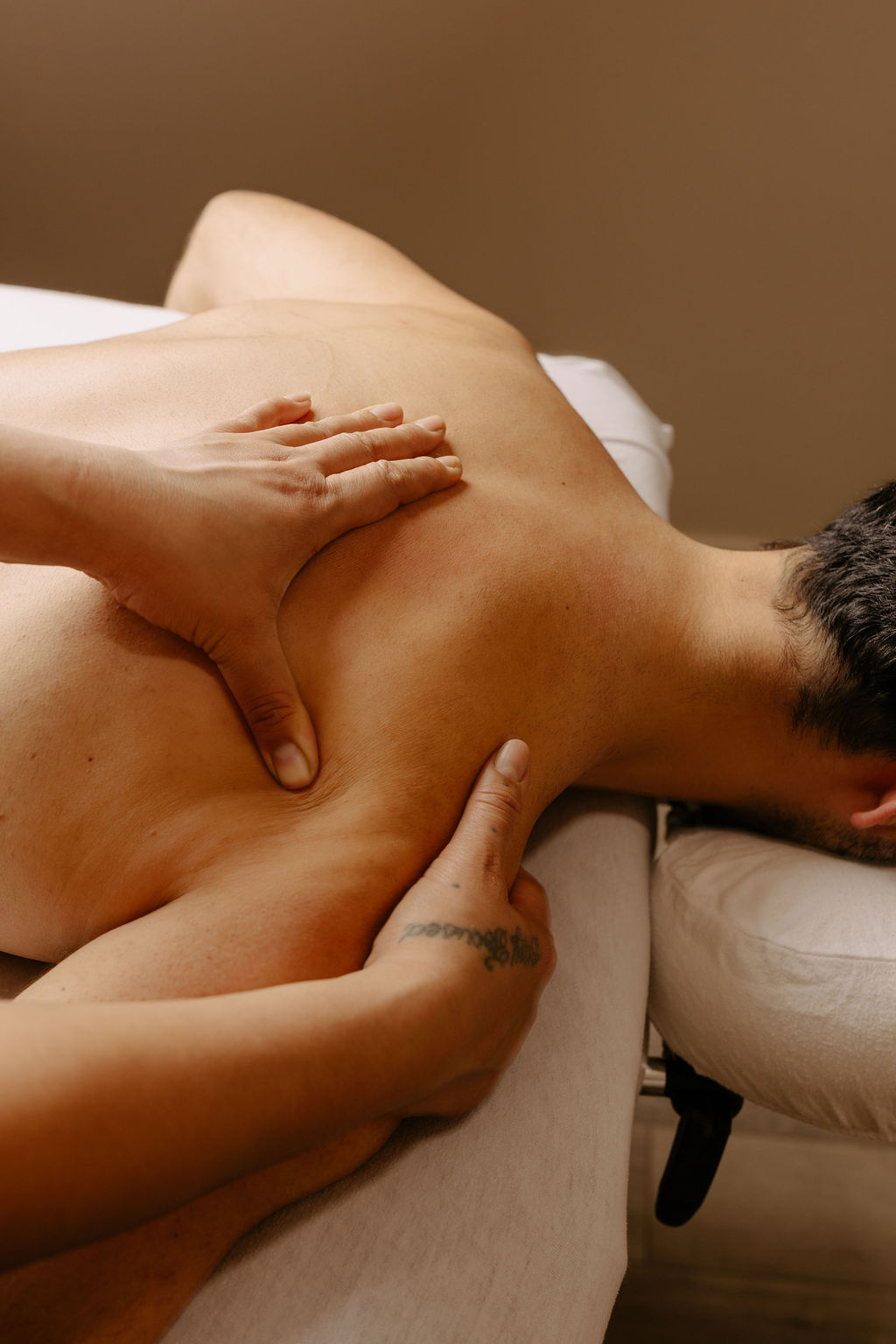
This is often what surprises people the most: the pressure is very light.
And that is intentional.
Lymphatic vessels are located just under the skin. Too much pressure compresses them instead of stimulating them. To be effective, the pressure must remain below a certain physiological threshold.
Manual lymphatic drainage is based on:
• slow movements
• a precise rhythm
• a specific anatomical path
The modern technique stems from the work of Dr. Emil Vodder and has been refined by clinical research.
It is not an intuitive massage—it is a structured approach.
What the research shows
Manual lymphatic drainage is now used in several medical and therapeutic contexts.
1. Reduction of edema and lymphedema
This is the most well-documented application.
Studies show a significant reduction in the volume of swollen areas, particularly when treatments are repeated and integrated into a comprehensive approach.
2. Post-surgical recovery
Following certain surgeries, lymphatic drainage helps to:
• decrease swelling
• reduce pain
• improve mobility
It is increasingly used as a complement to rehabilitation protocols.
3. Reduction of inflammation
By facilitating fluid circulation, drainage helps eliminate certain inflammatory mediators present in the tissues.
This can support:
• recovery after an injury
• the management of certain chronic inflammations
• the sensation of heaviness or stagnation
4. Circulation and a feeling of lightness
Many people seek treatment for a feeling of heavy or swollen legs.
Lymphatic drainage can improve:
• local circulation
• the feeling of lightness
• overall limb comfort
These are tangible effects, often felt from the very first sessions.
Facial lymphatic drainage: between trend and reality
Facial lymphatic drainage has become very popular.
But behind the "glowing skin" effect, there is a physiological logic:
by redirecting fluids toward the lymph nodes in the neck and collarbone, local circulation is improved.
Possible results:
• reduction of under-eye bags
• reduction of puffiness
• improved complexion radiance
This is not an artificial cosmetic effect — it is a real improvement in fluid circulation.
Who is this for?
Manual lymphatic drainage can be useful for:
• post-surgical recovery
• edema or limb swelling
• heavy leg sensation
• athletic recovery
• fatigue or feelings of stagnation
• supporting general well-being
Important contraindications
Lymphatic drainage is not appropriate in certain cases, including:
• active infections
• fever
• certain cardiovascular conditions
• untreated cancers
Medical advice may be necessary depending on the situation.
It is always important to inform your therapist of your health status.
Lymphatic drainage in Montreal (Plateau): what makes the difference
If you are looking for lymphatic drainage in Montreal, particularly in the Plateau-Mont-Royal, the quality of the treatment relies above all on the precision of the technique.
Effective drainage requires:
• an understanding of the lymphatic system
• rigorous execution of movements
• adaptation to each client's body
This is not an approximate technique — it is precise work.
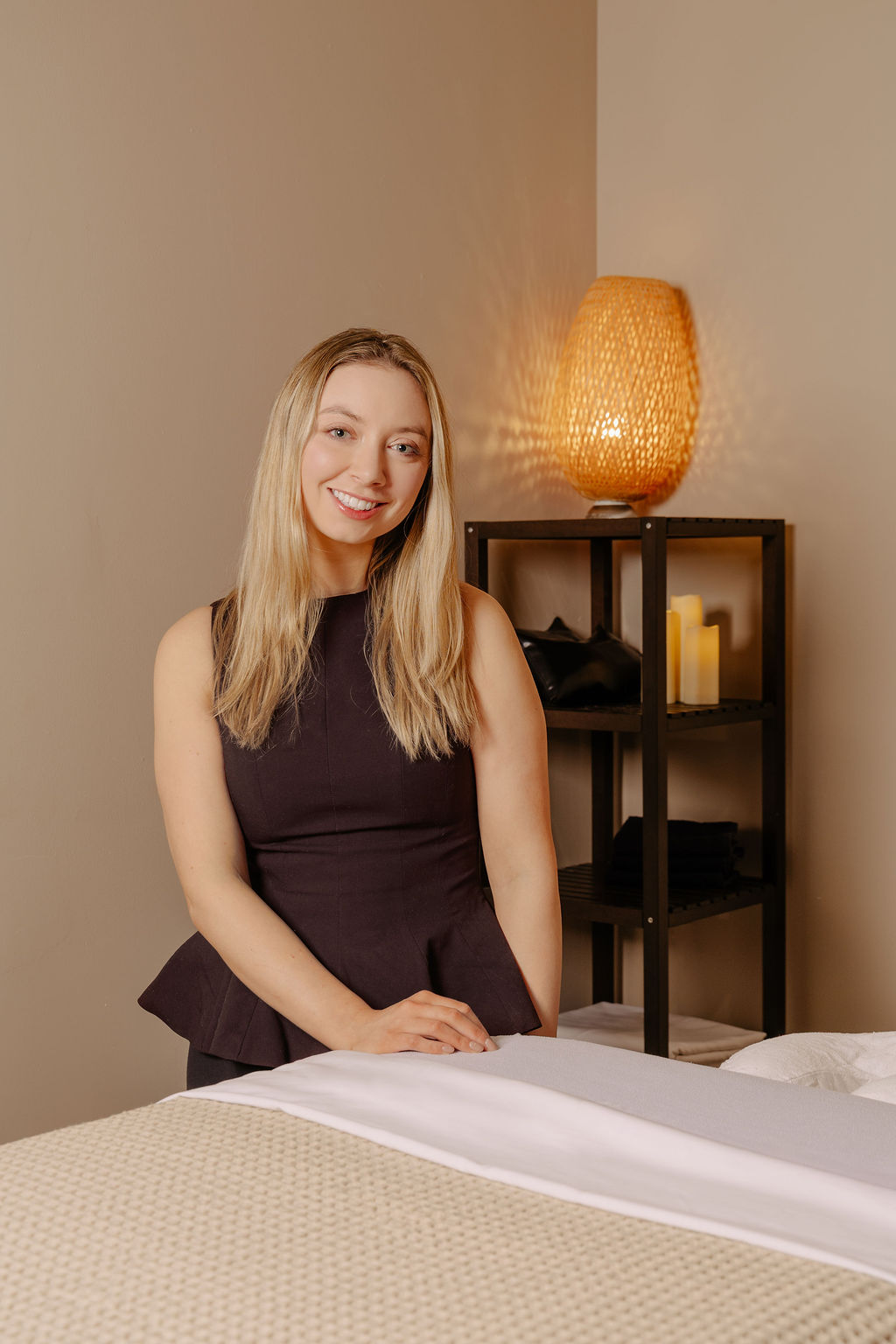
Our approach at Studio Orchidée
At Studio Orchidée, we approach lymphatic drainage as a structured therapeutic intervention.
Our approach is based on:
• certified massage therapists
• a mastered and adapted technique
• a calm environment, without a superficial "spa" approach
Each session aims for a concrete goal: improving circulation, reducing swelling, and supporting the body's overall functioning.
In conclusion
Manual lymphatic drainage is not a trend.
It is a technique based on the body's physiology, with real and measurable effects.
When performed correctly, it can:
• reduce edema
• improve circulation
• support recovery
• improve daily comfort
It is a discreet, yet powerful approach.
Book a lymphatic drainage in Montreal
Book an appointment at Studio Orchidée and discover a precise, therapeutic approach to lymphatic drainage.